Cushioning Technologies in Modern Sneakers: Foams, Plates and Air Units
Learn how foams, carbon plates, air units and gel elements influence the cushioning, stability and energy return of modern sneakers.
What Is Inside the Cushioning of Modern Sneakers?
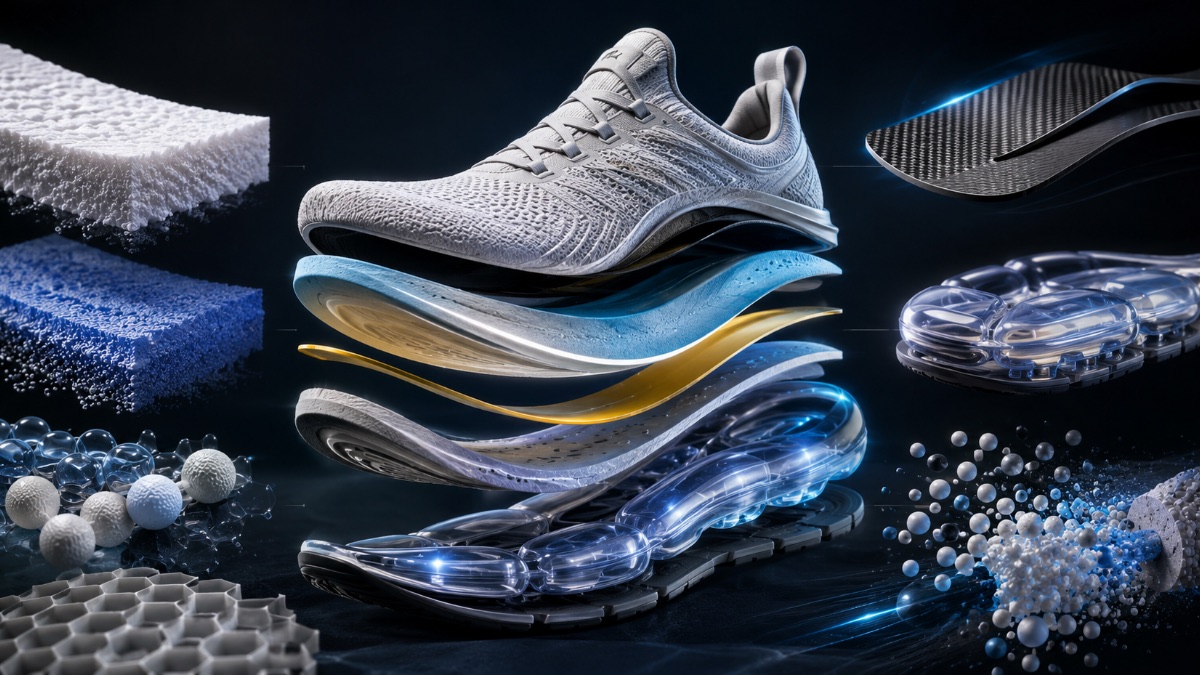
Modern sneakers may look simple from the outside, but several technical layers can be hidden inside their soles. Special foams, air units, plates and gel elements are designed to reduce impact and improve comfort, stability or responsiveness.
The terminology used by manufacturers can sound complicated. The basic principle is simple: the midsole between the foot and the outsole absorbs part of the impact and influences how soft, stable or responsive a shoe feels.
What Does Cushioning Mean in Sneakers?
Forces travel through the foot and body with every step. Shoe cushioning is intended to absorb part of this load and make movement more comfortable.
Good cushioning does not automatically mean an extremely soft or thick sole. The final experience depends on the material, sole geometry, stability, weight and intended use of the shoe.
One running shoe may feel soft and comfortable, while another uses firmer cushioning to create a more direct and stable ride.
The Midsole as the Main Cushioning Component
The midsole is located between the outsole and the upper. It is the most important cushioning section and determines a large part of how a shoe feels.
What Does the Midsole Do?
A midsole can:
* reduce impact during landing
* stabilise the foot during movement
* support the transition from heel to toe
* absorb and return part of the applied energy
* reduce the feeling of uneven surfaces
* improve comfort during long periods of walking or running
Depending on the shoe, manufacturers may combine several materials and different levels of firmness.
Traditional EVA Foams
EVA is a lightweight and flexible synthetic foam that has been used in sports and everyday shoes for many years. It can be produced in different densities and offers a balanced combination of weight, comfort and cost.
Advantages of EVA Foam
* low weight
* comfortable cushioning
* flexible construction
* suitability for many types of shoes
* relatively affordable production
Possible Disadvantages
Traditional EVA foams can gradually lose elasticity. The midsole may become flatter or feel less soft and responsive.
Modern EVA blends have improved significantly and may be lighter, softer or more durable than earlier versions.
Modern Performance Foams
Many current running shoes use advanced foams that can be lighter and more responsive than traditional EVA materials. They may be based on PEBA, TPU, modified EVA or other synthetic compounds.
What Does Energy Return Mean?
A responsive foam compresses during landing and then returns quickly towards its original shape. This can make the shoe feel more springy and dynamic.
Energy return does not mean that the shoe creates additional energy. The material simply returns part of the energy it previously absorbed.
Advantages of Modern Foams
* low weight
* soft cushioning
* responsive feel
* improved energy return
* comfort over longer distances
Possible Disadvantages
Very soft or high midsoles may feel less stable for some users. Shoes using advanced performance foams are also often more expensive than basic models.
TPU Foam
TPU foam is made from thermoplastic polyurethane. It may be used as small connected particles or as a continuous midsole material.
Advantages of TPU
TPU can be resistant to temperature changes and may maintain its cushioning characteristics for a long period. It often offers a useful combination of comfort, durability and energy return.
Which Shoes Use TPU?
TPU foam can be found in:
* running shoes
* everyday sneakers
* walking shoes
* training shoes
Depending on the construction, it can be tuned to feel soft, firm or highly responsive.
PEBA Foam
PEBA-based foams are commonly used in lightweight performance and racing shoes. They can offer very low weight and high energy return.
Advantages of PEBA Foam
* very low weight
* high responsiveness
* springy ride
* suitable for faster running
* frequently used in modern racing shoes
Possible Disadvantages
PEBA foam can be more expensive and is therefore often found in premium performance models. Depending on the construction, a very soft PEBA midsole may also feel less stable.
Nitrogen-Infused and Gas-Infused Foams
Some modern midsoles are expanded with nitrogen or another gas during production. This process can create small and evenly distributed cells inside the material.
What Are the Advantages?
Gas-infused foams may:
* weigh less
* have a more consistent structure
* feel soft and responsive
* maintain their shape for longer
However, the final characteristics depend not only on the gas but also on the base material and the complete design of the sole.
Carbon-Fibre Plates
Carbon plates are strongly associated with fast running and racing shoes. They are positioned inside the midsole and are made from a lightweight and stiff composite material.
How Does a Carbon Plate Work?
The plate stiffens the midsole and influences the transition through each step. Combined with responsive foam and curved sole geometry, it can support a quick movement from landing to toe-off.
The plate is therefore only one part of the system. Its effect depends on the shape of the shoe, the position of the plate and the surrounding foam.
Advantages of Carbon Plates
* stiff and controlled transition
* dynamic running experience
* support at faster speeds
* low weight
* effective combination with modern foams
Possible Disadvantages
Carbon plates are not necessary for every runner or every type of training. Some plated shoes can feel unusual or overly stiff at slower speeds.
Carbon-plated shoes may also be expensive and are often designed specifically for racing or faster training sessions.
Nylon and Plastic Plates
Not every shoe plate is made from carbon. Many training shoes use nylon, Pebax or other flexible synthetic materials.
How Are They Different from Carbon Plates?
Plastic plates are generally more flexible than carbon plates. They can provide some of the dynamic feeling of a plated shoe without making the ride excessively stiff.
Advantages of Flexible Plates
* more natural transition
* greater flexibility
* suitability for daily training
* improved comfort at slower speeds
* usually lower cost than carbon construction
These plates can be a practical option for runners who want additional responsiveness without using an aggressive racing shoe.
Air Units and Air Chambers
Air units are gas-filled elements located inside the midsole or outsole. They may be visible from the outside or completely hidden within the shoe.
How Do Air Units Work?
The unit compresses slightly when the foot lands and then returns to its original shape. Depending on its location, it may mainly cushion the heel, forefoot or entire length of the foot.
Advantages of Air Cushioning
* cushioning that can remain consistent over time
* distinctive underfoot feel
* targeted support for specific areas
* interesting design possibilities
* compatibility with foam midsoles
Possible Disadvantages
Large air chambers can affect the weight or stability of a shoe. Some users may also find that the ride feels less natural.
Durability depends on the design and the level of protection around the air unit.
Gel and Silicone-Like Elements
Some shoes use gel or silicone-like inserts inside the midsole. These elements are often positioned in the heel or forefoot.
What Is the Purpose of Gel Cushioning?
Gel inserts are designed to distribute pressure and reduce impact in targeted areas. In modern shoes, they are usually combined with foam.
The foam provides most of the cushioning, while the gel can influence the ride and distribution of pressure.
Mechanical Cushioning Systems
In addition to foams and air units, some shoes use cavities, separate columns, elastic components or specially shaped sole structures.
How Do Mechanical Systems Work?
The individual components deform under pressure and then return to their original position. This allows the construction to combine cushioning, stability and energy return.
Mechanical systems often have a distinctive technical appearance. However, they may be heavier and more complex than a traditional foam midsole.
Rocker Geometry and Curved Soles
A rocker sole has a clearly curved shape, with the front and sometimes the rear section raised away from the ground.
What Are the Benefits of a Rocker Sole?
The curved shape can support the transition through each step and make the movement from landing to toe-off feel smoother.
Rocker geometry is often combined with high midsoles, soft foams or plates. It is used in both running shoes and comfort-focused everyday footwear.
Is More Cushioning Always Better?
An extremely thick or soft sole is not automatically the best choice for every person.
Additional cushioning may feel comfortable during long runs, walks or periods of standing. At the same time, a very soft construction can feel less stable and reduce the sensation of contact with the ground.
The most important factor is not the maximum amount of cushioning, but whether the shoe matches the user’s foot shape, movement and intended activity.
Soft or Firm Cushioning: Which Is Better?
Soft cushioning often creates a relaxed and comfortable feeling. It is especially popular for long distances and everyday use.
Firmer cushioning can feel more stable, direct and controlled. It may suit faster movement, shorter training sessions or people who do not want their feet to sink deeply into the midsole.
There is no single best option. Personal comfort and a secure fit are more important.
Which Cushioning Is Best for Each Activity?
Daily Running
Balanced foams that combine comfort, stability and durability are often suitable for everyday training. A flexible plate may add responsiveness but is not essential.
Long Runs
Soft and lightweight foams with sufficient stability can improve comfort over longer distances. Rocker geometry may also support a smoother transition.
Racing and Speed Training
Lightweight performance foams combined with carbon or plastic plates can create a particularly dynamic running experience.
Everyday Use and Walking
For daily use, comfort, durability and stability are often more important than maximum energy return. EVA, TPU and blended foam midsoles can be suitable choices.
Trail Running
Trail shoes need stability, ground control and protection in addition to cushioning. A midsole that is too soft or high may feel less secure on technical terrain.
How Long Does Shoe Cushioning Last?
The lifespan of cushioning depends on several factors:
* midsole material
* body weight
* running style
* surface
* frequency of use
* storage and care
* overall shoe construction
A midsole may lose performance before the outsole appears completely worn. Common warning signs include a flatter ride, permanent creasing, uneven deformation or noticeably reduced comfort.
Conclusion
Modern sneaker cushioning is often a complete system rather than a single material. Foams provide most of the impact absorption, plates influence the transition, and air, gel or mechanical elements modify the ride.
Traditional EVA foam is lightweight and versatile. TPU often combines durability with comfort. PEBA-based foams are particularly light and responsive. Carbon plates are mainly designed for faster runners, while flexible plastic plates can also work well in daily training shoes.
At A2stock.de, you can regularly discover different running and everyday shoes from well-known brands. Comparing cushioning technologies can help you select a model that suits your preferred level of comfort and intended use.