The Evolution of Sneaker Culture: From Athletic Gear to Status Symbol
How a simple canvas running shoe revolutionized fashion and grew into a multi-billion-dollar global industry.
Today, sneakers are everywhere: in boardrooms, at weddings, and on the runways of Paris Fashion Week. But it wasn't always this way. The history of sneakers is a fascinating journey through sports, subcultures, and rebellion that turned a basic utility shoe into one of the most influential fashion items on earth.
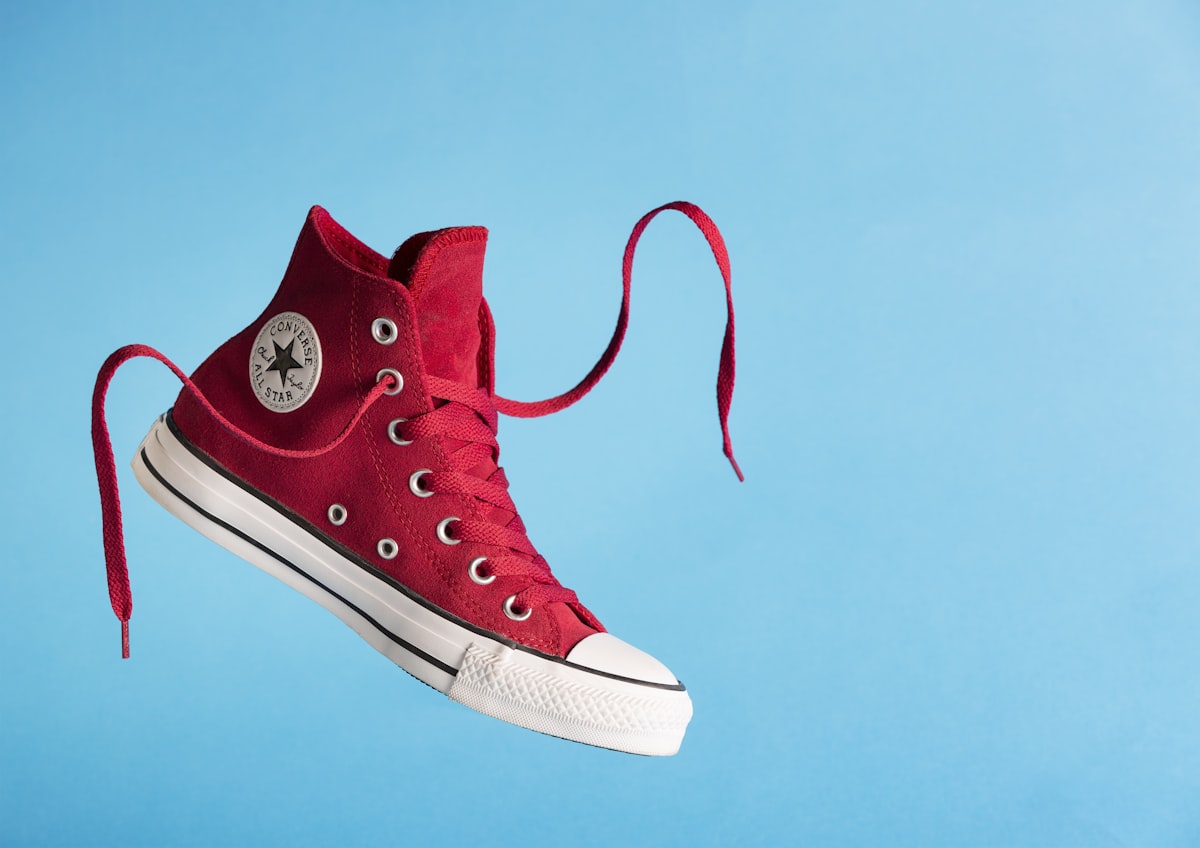
The Origins and the Name: In the late 19th century, the first athletic shoes with rubber soles were invented. The word 'sneaker' comes from the verb 'to sneak', because the quiet rubber soles allowed people to walk almost silently compared to loud leather-soled shoes. Classics like the Converse Chuck Taylor laid the early foundation.
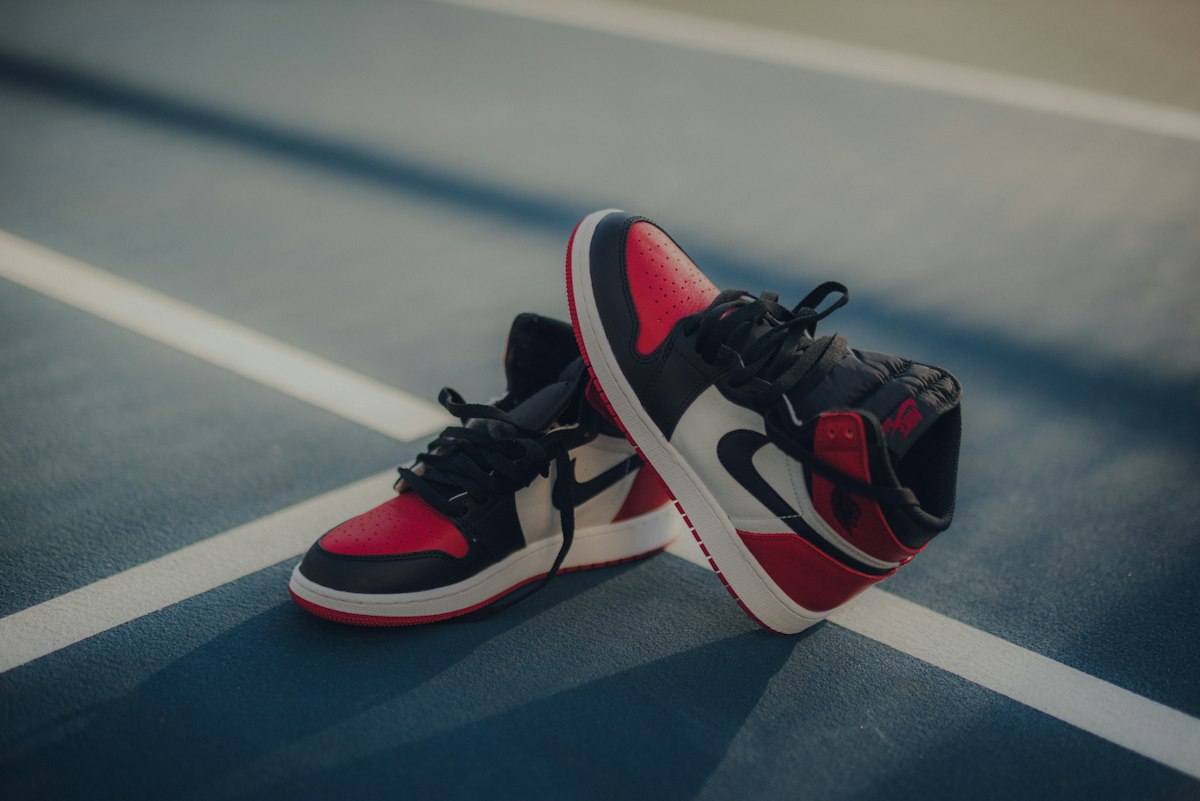
The Hip-Hop Boom of the 1980s: The true turning point arrived in the 80s. NYC hip-hop group Run-D.M.C. released their hit track 'My Adidas' and wore the Superstar model laceless, forever locking sneakers into youth and music culture. Almost simultaneously in 1985, Nike debuted the Air Jordan 1, sparking the modern collector market.
The Rise of Collector Hype and Reselling: In the 2000s, a thriving secondary market emerged. Limited-edition drops and high-profile collaborations with designers like Virgil Abloh (Off-White) transformed sneakers into alternative assets. Sneakers were no longer just worn; they were traded like stocks and preserved in display cases.
Sustainability and Smart Shopping: The current shift in sneaker culture focuses on sustainability and smart consumption. Instead of chasing hyper-inflated resell prices, collectors are increasingly looking at outlet deals, refurbished pairs, and B-grade stock. This gives high-quality sneakers a second life - saving money and reducing manufacturing footprint.